
They’re Not Hiding It From You
Let me start by saying something important: if your vet hasn’t warned you about MDR1 drug sensitivity, it’s almost certainly not because they don’t care about your dog. Most veterinarians go into this profession because they genuinely love animals. The problem isn’t malice - it’s a gap in the system.
After losing Cooper and connecting with hundreds of families who’d been through similar experiences, I’ve learned a lot about why this knowledge gap exists. Understanding the “why” helps us fix it without burning bridges with the vets our dogs depend on.
The Veterinary Education Problem
Here’s what Dr. Sarah Chen, a veterinarian who joined our community after losing her own Sheltie to Ivermectin toxicity, told me:
“In four years of vet school, I remember exactly one lecture that mentioned MDR1. One lecture, maybe 45 minutes, in the middle of a pharmacology course. It was presented as a footnote, not a critical safety issue. Years later, when I prescribed Ivermectin to a herding breed, I honestly didn’t remember it.”
This isn’t unique to Dr. Chen’s experience. Veterinary curricula are packed with thousands of conditions, medications, and species. MDR1 gets lost in the shuffle. It’s mentioned, technically, but not emphasized. Not drilled in. Not treated as the life-or-death issue it actually is.
Continuing Education Isn’t Catching It Either
You might think: “Okay, maybe they missed it in school, but what about continuing education?”
Here’s the problem. Veterinarians are required to complete continuing education to maintain their licenses, but they choose which courses to take. If MDR1 isn’t on their radar as an important topic - because it wasn’t emphasized in their initial training - they’re not going to seek out courses on it.
The pharmaceutical companies aren’t pushing it either. There’s no profit in telling people to test their dogs before prescribing common medications. The awareness campaigns that do exist are largely grassroots efforts by people like us - families who learned the hard way.
What We’ve Heard From Our Community
When I started collecting stories from families who’d lost dogs to drug reactions, a pattern emerged. Over and over, people told me:
“The vet had no idea. She was as devastated as we were.”
“He said he’d learned about it in school but hadn’t thought about it in fifteen years.”
“She apologized. She said she’d never prescribe Ivermectin to a herding breed again without testing first.”
“Our vet actually thanked us for telling her about MDR1. She’d never heard of it.”
These aren’t bad veterinarians. They’re good people working in a system that failed to adequately prepare them for this specific risk.
The Breeds Most At Risk
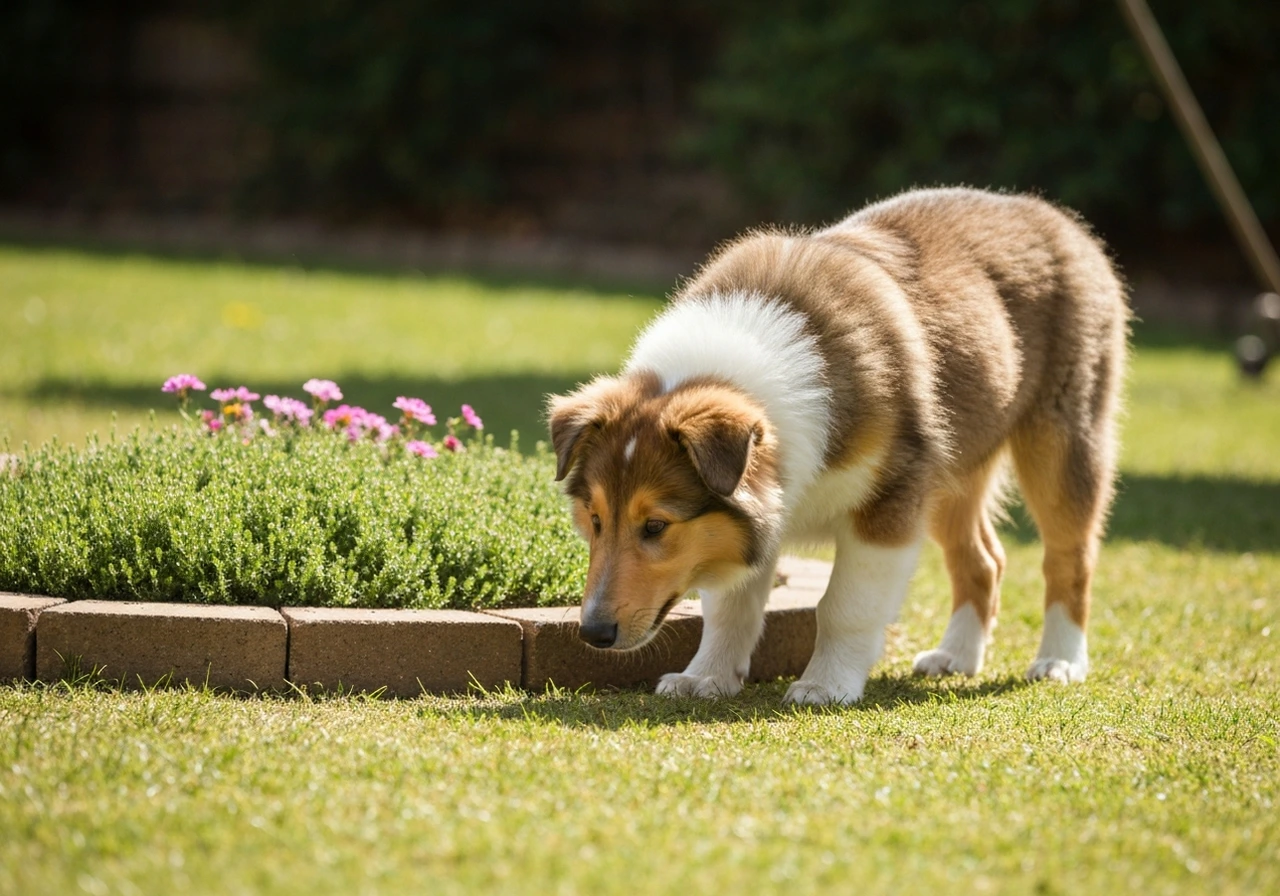
One reason MDR1 doesn’t get the attention it deserves: it primarily affects herding breeds, and not all veterinary practices see many herding breeds. A vet in an area dominated by Labs and Golden Retrievers might go years between Collie patients.
But the affected breeds are more common than people realize:
High risk (30-75% carry the mutation):
- Rough Collie
- Smooth Collie
- Shetland Sheepdog
- Australian Shepherd
- Old English Sheepdog
- English Shepherd
- Longhaired Whippet
- Silken Windhound
Moderate risk (10-30%):
- Border Collie
- German Shepherd
- McNab Shepherd
Also at risk:
- Any mixed breed with herding breed ancestry
That last category is huge. How many shelter dogs have some Aussie or Collie in their background? How many “Lab mixes” actually have Border Collie genes? Without testing, you don’t know.
The Drugs That Kill
This is information your vet should know, but might not have readily available. These medications are documented to cause severe or fatal reactions in MDR1-affected dogs:
High Risk:
- Ivermectin (at high doses - heartworm prevention doses are generally safe)
- Loperamide (Imodium)
- Milbemycin
- Moxidectin
- Selamectin (at high doses)
Use With Caution:
- Acepromazine
- Butorphanol
- Vincristine
- Doxorubicin
- Cyclosporine
- Digoxin
The research on this is still evolving. New drugs are being studied. The safe list and danger list change over time. This is another reason awareness matters - even if your vet learned about this in school, the information may have changed since then. For an example of how this lack of awareness affects real families, read our founder’s story of losing Cooper.
How to Talk to Your Vet Without Causing Conflict
I’ve seen dog owners come to their vets with accusations and anger after reading about MDR1 online. I understand the impulse. When you realize your dog could be at risk - or worse, when you’ve already lost a dog - the emotions are overwhelming.
But confrontation rarely helps. Here’s what works better:
Come with information, not accusations. “I’ve been reading about MDR1 drug sensitivity in herding breeds. Can we make sure there’s a note in Buddy’s file?”
Bring resources. Washington State University’s Veterinary Clinical Pharmacology Lab has excellent information. Your vet is more likely to trust a university source than a random website.
Ask, don’t demand. “Would you recommend we get an MDR1 test? I’d feel better knowing for sure.”
Share your concerns without implying incompetence. “I know you see all kinds of dogs, and I just want to make sure we’re thinking about this since she’s part Aussie.”
If your vet is dismissive of your concerns, that’s a different problem. A good vet will appreciate an informed owner. A great vet will say “Thank you for bringing this up. Let me look into it.”
When to Find a New Vet
Sometimes the relationship isn’t salvageable. If your vet:
- Dismisses MDR1 as “not a real concern”
- Refuses to note it in your dog’s file
- Prescribes high-risk medications without discussing alternatives
- Gets angry when you ask questions
Then it’s time to find a vet who takes this seriously. Your dog’s life isn’t worth protecting someone’s ego.
Making It Standard Practice
The real solution isn’t individual advocacy, though that matters. The real solution is systemic change.
We need:
- Veterinary schools to emphasize MDR1 in their curricula
- Continuing education requirements that include pharmacogenomics
- Drug labeling that clearly warns about MDR1 risks
- Testing to become standard practice for at-risk breeds
Until that happens, the burden falls on us - the owners who love our dogs and don’t want them to become another tragic statistic.
Your Vet Visit Toolkit
I’ve put together a comprehensive checklist for vet visits with at-risk breeds. It includes:
- Questions to ask before any medication is prescribed
- How to request MDR1 testing
- What to put in your dog’s permanent file
- Emergency information to keep on your phone
Print it out. Bring it to every appointment. Your vet might roll their eyes. They might think you’re being paranoid. They might also remember it the next time they reach for the Ivermectin bottle - and that might save a dog’s life.
We’re All On the Same Side
I want to be clear about something: veterinarians are not the enemy. The system that undertrained them is the problem. The curriculum developers who buried MDR1 in a footnote are the problem. The continuing education system that doesn’t flag this as critical knowledge is the problem.
Most vets, when they learn about MDR1, are grateful for the information. Many become advocates themselves. Dr. Chen, the vet I mentioned earlier, now tests every herding breed that walks through her door. She’s saved dogs because of what she learned the hard way.
We can’t undo the dogs we’ve lost. But we can work with our veterinary community - not against them - to make sure fewer families have to join our ranks.
Have you had a conversation with your vet about MDR1? We’d love to hear how it went - good or bad. Contact us to share your experience.